
Expert Water Leak Detection: The Definitive Guide for 2025
Introduction to Water Leak Detection
Water leaks can wreak havoc in homes, leading to extensive property damage and costly repairs if not addressed promptly. The primary objective of water leak detection is to locate and remediate these leaks before they escalate into significant issues. Understanding the nuances of water leak detection technologies is vital for homeowners, particularly in 2025, as advancements continue to improve accuracy and efficiency in the field. With an arsenal of cutting-edge tools and techniques, leak detection specialists can offer precise solutions while minimizing disruption to your home.
In this article, we will delve into the world of water leak detection, exploring why timely detection is crucial, the common types of leaks, advanced methods used in detection, and how to choose the right service provider.
Understanding Water Leaks in Homes
Water leaks often originate from various sources within a typical household, including plumbing systems, appliances, and external environments. Common culprits include old pipes, high water pressure, and natural wear and tear over time. Importantly, leaks can be categorized into visible and hidden leaks. Visible leaks are easily detected, often showcased through water pooling on floors or dripping from ceilings. However, hidden leaks, which may occur behind walls or underground, pose a greater challenge as they can go unnoticed until they cause serious structural damage.
Importance of Timely Detection
The significance of prompt water leak detection cannot be overstated. Timely intervention not only prevents extensive property damage but also saves homeowners from exorbitant repair costs. A small leak can worsen over time, leading to mold growth, increased utility bills, and potential health issues due to moisture accumulation. Understanding the early signs of leaks, such as sudden increases in water bills, damp patches on walls, or unexplained musty odors, can help homeowners act swiftly to mitigate damage.
Overview of Leak Detection Technologies
With the rise of technological innovations, the leak detection industry has evolved to offer advanced solutions that are both non-invasive and highly effective. Technologies such as thermal imaging, acoustic sensors, and tracer gas detection have been developed to pinpoint leaks accurately without the need for intrusive methods. Each technology has its unique advantages, making it essential for professionals to choose the right approach based on the specific situation.
Common Types of Water Leaks
Internal Water Supply Leaks
Internal water supply leaks typically occur in plumbing systems, affecting fixtures like faucets, toilets, and pipes. These leaks can lead to extensive water damage if not addressed promptly. Common indicators include water stains on walls or ceilings, lower water pressure, and increased water bills. An experienced leak detection service can identify these issues swiftly, often employing non-invasive methods to minimize disruption.
Heating System Leaks
Heating system leaks, particularly in radiators and boiler systems, can be difficult to detect. They often occur within walls or floors, leading to inefficient heating and increased energy costs. Regular maintenance and monitoring of your heating system are crucial to identify these leaks early. Professional leak detection services can assess your system accurately, ensuring all potential leak sources are addressed promptly.
Underground Pipe Leaks
Underground pipe leaks present one of the most significant challenges for homeowners. Often undetectable until they surface, these leaks can cause severe erosion and structural damage to property. Signs of underground leaks may include unusually wet patches in your yard or unexplained puddles. Utilizing specialized equipment allows leak detection experts to locate these leaks with precision, minimizing the need for excavation.
Advanced Leak Detection Methods
Non-Invasive Techniques Explained
Modern leak detection has shifted towards non-invasive techniques to enhance efficacy and reduce property disruption. Methods such as moisture mapping and infrared scanning are highly effective, allowing professionals to detect leaks without causing unnecessary damage to walls or floors. These techniques enable the identification of moisture levels, helping pinpoint the exact location of leaks with minimal intrusion.
Using Thermal Imaging for Leak Detection
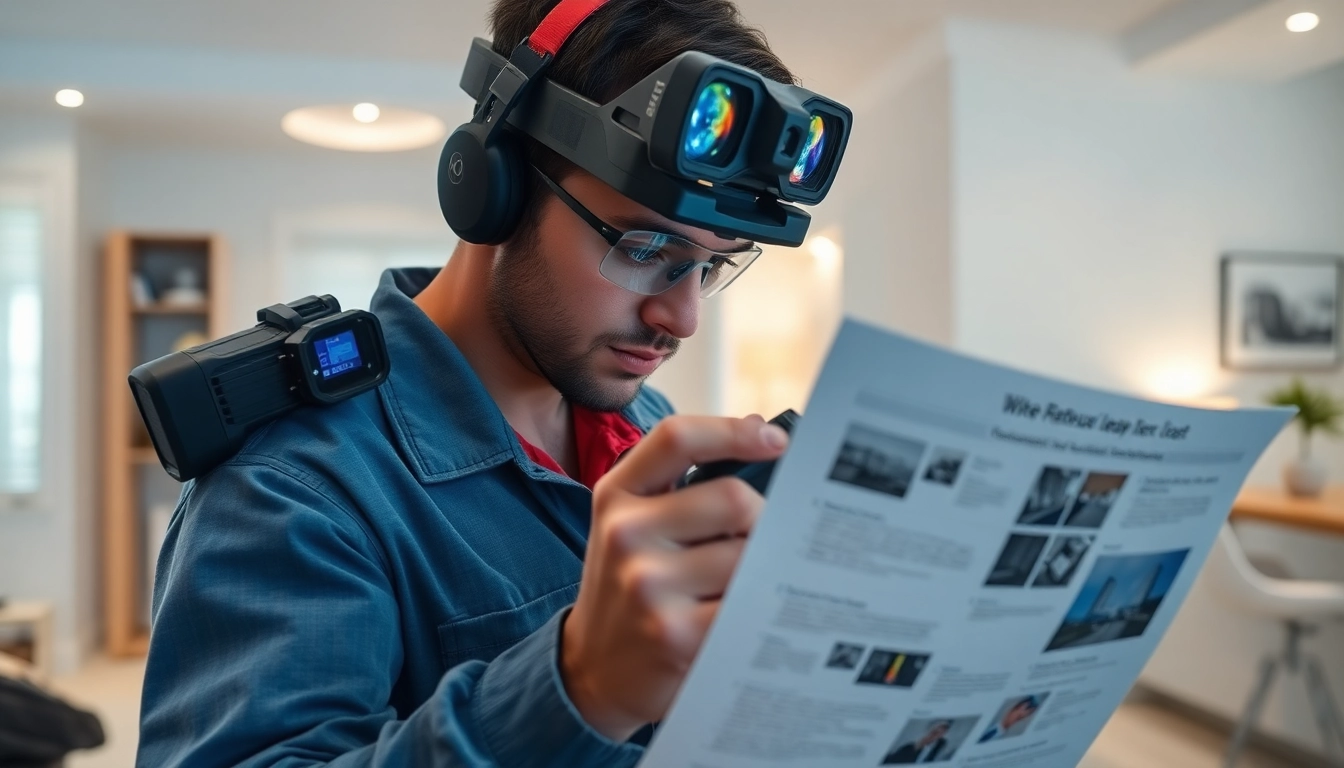
Thermal imaging has revolutionized leak detection by offering a visual representation of temperature variations caused by water leaks. Using infrared cameras, technicians can identify colder areas that indicate the presence of moisture behind walls or beneath floors. This technique not only speeds up the detection process but also improves accuracy, allowing for targeted repairs.
Acoustic Leak Detection: How It Works
Acoustic leak detection utilizes sound to identify leaks in pressurized systems. By employing sensitive microphones and sensors, technicians can listen for the distinct sounds of escaping water or gas. This method is particularly effective for detecting leaks that are underground or hidden from view, providing an efficient solution for problematic leak issues.
Choosing the Right Leak Detection Service
Key Considerations for Homeowners
When selecting a leak detection service, homeowners should consider several critical factors. The reputation of the service provider, their experience with various leak detection technologies, and their commitment to customer service should be top priorities. Additionally, checking for licensing and insurance is essential to ensure you’re working with qualified professionals.
Evaluating Technician Qualifications
The expertise of technicians plays a pivotal role in the quality of leak detection services. Homeowners should look for certified professionals who possess specialized training in advanced leak detection methods. Industry certifications are a good indicator of a technician’s knowledge and skills, ensuring they are equipped to handle a variety of leak scenarios.
Understanding Service Guarantees and Pricing
Before engaging a leak detection service, it is important to understand their pricing structure and any service guarantees they offer. Many reputable services provide a “no find, no fee” policy, meaning you pay only if a leak is successfully detected. Furthermore, inquire about warranties on repairs, as this can offer peace of mind in case of future issues.
Future Trends in Water Leak Detection
Innovations in Leak Detection Technology for 2025
The future of water leak detection is expected to witness further integration of smart technologies. Advancements such as AI-driven analytics and machine learning algorithms will enhance the accuracy and efficiency of leak detection systems. These innovations will also allow for predictive maintenance, enabling homeowners to address potential issues before they lead to leaks.
Smart Home Integration for Leak Monitoring
As smart home technology continues to evolve, integration of leak detection systems with home automation setups will become prevalent. Homeowners will be able to receive real-time alerts on leaks through their smartphones, providing immediate information to facilitate timely responses. This seamless connection will enhance the overall safety and efficiency of home plumbing systems.
Predictive Maintenance and Water Conservation
Looking ahead, predictive maintenance will play a crucial role in water conservation efforts. By utilizing data analytics and real-time monitoring, homeowners will be able to determine when and where leaks are likely to occur, allowing them to take preventive measures. This proactive approach will not only reduce water waste but also promote a more sustainable and efficient approach to home management.


