








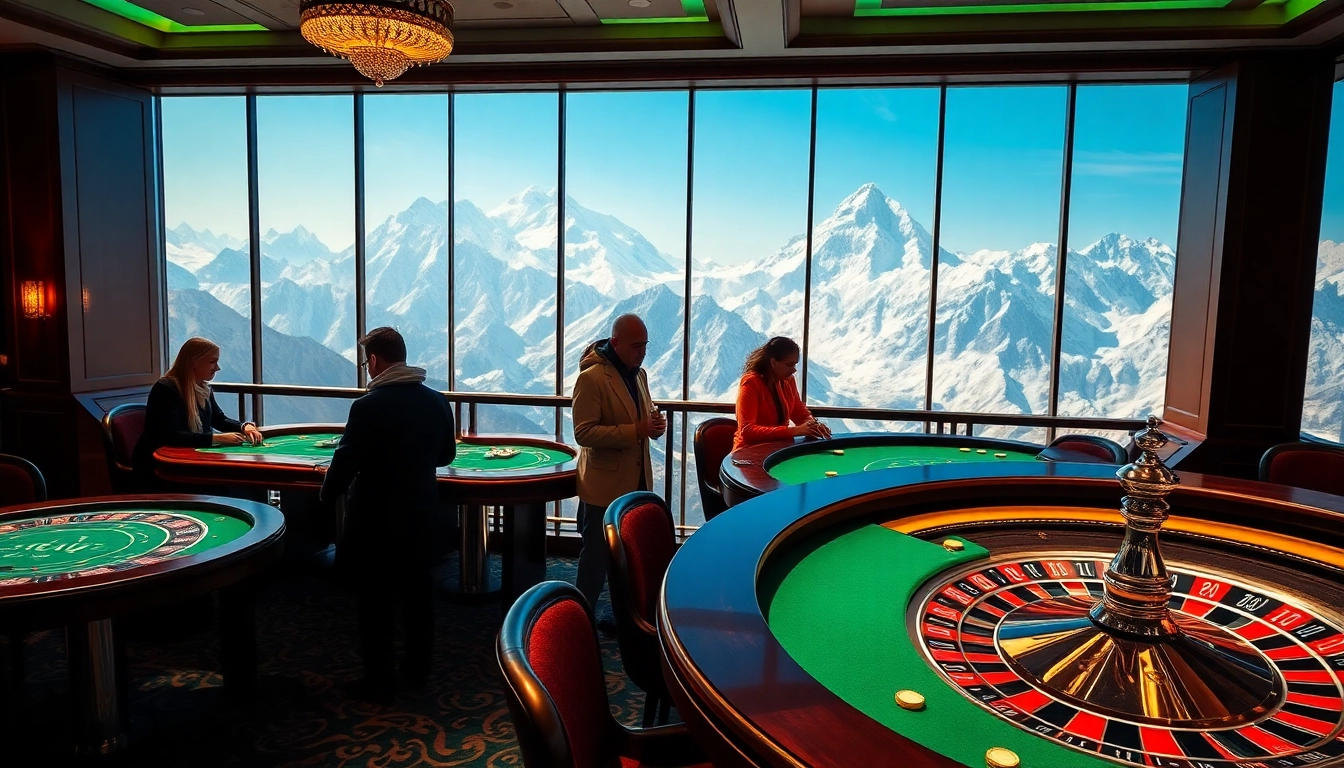
Understanding the Basics of the mount Everest Base Camp Trek
The mount Everest Base Camp trek is one of the most iconic trekking adventures in the world, attracting thousands of travelers each year. This challenging yet rewarding journey leads you through the stunning landscapes of the Khumbu region in Nepal, where breathtaking views of the Himalayas and the culture of the Sherpa people await. Whether you are a seasoned trekker or embarking on your first high-altitude journey, understanding the essentials of the trek will greatly enhance your experience. For those looking for an organized route, consider exploring options like the mount Everest base camp trek, which provides comprehensive insights into the adventure ahead.
What is the mount Everest Base Camp Trek?
The mount Everest Base Camp trek is a high-altitude trek that takes adventurers from lush green valleys to the lap of the world’s highest peak, Mount Everest. Spanning approximately 130 kilometers round-trip, the trek typically takes about 14 days to complete, allowing for acclimatization days to adjust to the altitude. This journey is not only about reaching the base camp but about the entire experience—enjoying stunning landscapes, interacting with local cultures, and challenging yourself physically and mentally.
Key Highlights and Challenges for Gamblers
For trekkers, understanding the rewarding and challenging aspects of the trek is vital. The key highlights include visiting Namche Bazaar, a hub of Sherpa culture, and Tengboche Monastery, where breathtaking views of Ama Dablam can be witnessed. However, challenges like altitude sickness, long trekking days, and unpredictable weather can test even the most enthusiastic trekkers. Participants should prepare by getting physically fit and understanding the terrain, similar to gamblers assessing the stakes and risks in a game.
Significance of Preparation for a Successful Trek
Preparation can significantly impact the success of your trek to Everest Base Camp. Apart from physical conditioning, it’s crucial to gather proper gear, understand the trekking routes, and organize necessary permits. Just as gamblers devise strategies to manage their bankroll and calculate risks, trekkers should plan their itinerary carefully, ensuring they can maximize enjoyment while minimizing dangers associated with high-altitude trekking.
Strategizing Your Approach to the Treks
Just like formulating a sound strategy in gambling, developing an effective approach to the mount Everest Base Camp trek can enhance your overall experience. This segment will cover key aspects to consider for a successful adventure.
How to Bet on Your Trekking Experience
When trekking, it’s essential to gauge the trade-offs you are willing to accept to reach your destination. Investing in a reputable trekking company is akin to making strategic bets in gambling; it can greatly influence your experience. Be sure to read reviews and understand their safety protocols, guide expertise, and support systems before making a decision.
Assessing Your Risk: Weather and Terrain
Understanding the weather conditions and terrain is vital in planning your trekking strategy. The weather in the Everest region can be extremely changeable, with clear sunny days turning into snowstorms within hours. Just as gamblers assess the odds of winning, trekkers should evaluate whether conditions are safe and whether it’s wise to continue or set up camp. Regularly check weather forecasts and listen to your guide for optimal decision-making.
Building a Backup Plan: Alternative Routes and Options
A solid backup plan is essential for both trekking and gambling. Should weather conditions worsen or should a higher-altitude trek present unexpected challenges, be prepared to reroute to safer areas, such as Gokyo Lakes or Chukhung Valley. Have a discussion with your guide to understand these alternatives and be ready to adapt your plans, very much like having alternate strategies in gambling scenarios.
Calculating Costs: Budgeting for Your Adventure
The financial aspects of the trek can vary significantly; understanding your total cost is vital for a successful hike without overspending. Many trekkers may overlook hidden fees associated with high-altitude trekking, so proper budgeting is essential.
Evaluating Costs: Investment in Gear and Guides
The cost of the trek includes not only your tour package but also gear, permits, and tips for guides and porters. Like in gambling, where a player must consider what to invest in to ensure a good return, trekkers should factor in quality gear as essential to a safe and enjoyable journey. Essential items include warm clothing, sturdy trekking boots, and a good-quality backpack.
Secret Costs: Hidden Fees during the Trekking Adventure
As with many adventures, there might be unexpected costs awaiting on the trek. This could include tea house upgrades, side treks, or additional gear rentals. Trekkers should remain vigilant about potential surprise costs, much like gambling where hidden fees can affect your bankroll. Having a daily budget can mitigate overspending while allowing for minor splurges.
Effective Money Management: Balancing Enjoyment and Finances
To ensure a balance between enjoyment and costs incurred, it’s wise to designate specific spending limits each day while on the trail. Setting limits before heading out is fundamental in both casinos and trekking experiences. Remind yourself that while it’s vital to enjoy the moment, staying within a budget will create a gratifying experience rather than a financial burden.
Maximizing Enjoyment: Enhancing Your Trekking Experience
Enhancing your trekking expedition involves more than just the physical journey; immersing yourself in the local culture and environment can be incredibly rewarding.
Utilizing Local Resources for a Memorable Trek
Resourcefulness can greatly enrich your trekking experience. Using local guides not only ensures safety but also provides cultural insights that enhance the journey. Consider this resourcefulness similar to smart gambling, where leveraging local knowledge can provide a strategic edge.
Incorporating Cultural Insights for Your Adventure
Interacting with local communities along the trek opens doors to unique experiences—from shared meals with Sherpas to visiting temples. This cultural exchange adds depth, much like knowing the history behind a game increases your betting acumen. Embrace the chance to learn as you trek beyond simply reaching the summit.
Understanding Best Practices for Sustainable Trekking
As an increasingly important factor in tourism, understanding sustainable trekking practices is crucial. Respecting local environments and customs is akin to responsible gambling: it ensures that both the game, and the communities we visit continue to thrive sustainably.
Post-Trek Reflections: Review and Strategy Adjustments
Reflecting on your experience after the trek can be highly beneficial. Just as gamblers review their play style after a session, trekkers should analyze their physical limits and the strategies they employed along the trail.
Analyzing Your Experience: Learning from Challenges
Every trek presents unique obstacles. Understanding and reflecting on these challenges allows trekkers to grow and prepare for future adventures. Review your decisions—what worked, what didn’t—similar to examining a gambling loss or gain and how you could have played differently.
Sharing Insights: Engaging with Fellow Gamblers and Trekkers
Sharing your experiences with fellow trekkers can enhance knowledge exchange. Connecting with others who have trekked similar paths or engaged in gambling offers valuable insights into improving skills, whether trekking techniques or gaming strategies.
Preparing for Future Adventures: Adjusting Strategies and Expectations
Finally, each trekking experience lays the groundwork for increased confidence in future adventures. Just as assessing past gaming sessions leads to wiser play, combining these reflections and adjustments can enhance your preparation and enjoyment in all future treks and ventures.