Understanding the Importance of Leak Detection
Leak detection plays a crucial role in maintaining the integrity of residential properties. By identifying leaks early, homeowners can prevent costly damage and ensure the safety of their living environments. Whether it’s a hidden water leak or a problematic gas pipe, understanding the significance of effective leak detection can save thousands in repairs and enhance the overall efficiency of your home. Leak detection methods have evolved, allowing for non-invasive, precise solutions that address issues without unnecessary damage to your property.
What is Leak Detection and Why Does It Matter?
Leak detection is the process of identifying and locating leaks in plumbing systems, whether they are visible or hidden behind walls and floors. It is vital for numerous reasons:
- Preventing Damage: A small leak can lead to severe water damage, mold growth, and structural issues if not addressed promptly.
- Cost-Effectiveness: By detecting leaks early, homeowners can avoid expensive repairs down the line.
- Health Concerns: Leaks can create damp environments that promote mold, posing health risks to residents.
Common Sources of Leaks in Homes
Leaks can originate from a variety of sources within a home. Understanding these common culprits helps in identifying potential risks:
- Pipes: Aging or damaged pipes can develop cracks or leaks over time.
- Fixtures: Faucets, toilets, and showerheads can wear out, leading to noticeable leaks.
- Basements: Water entering through foundation cracks often goes unnoticed but can cause significant damage.
- Heating Systems: Central heating systems, especially in older homes, can develop leaks in boiler pipework.
The Financial Impact of Ignoring Leaks
Ignoring leaks can have dire financial implications. The cost of minor plumbing repairs can quickly escalate into thousands of dollars if leaks are allowed to persist:
- Water Waste: A small drip can increase water bills substantially over time.
- Structural Damage: Repairs to roofs, walls, and foundations can become necessary if water damage worsens.
- Health Costs: Mold exposure can lead to health issues, necessitating medical attention and further home remediation costs.
Advanced Technologies in Leak Detection
As technology has advanced, so have the methods of detecting leaks. Today, numerous sophisticated technologies are at a leak detection specialist's disposal, enhancing accuracy and reducing the time it takes to find leaks.
Cutting-Edge Equipment You Should Know About
Technological innovations have revolutionized how leaks are detected. Some of the most notable tools include:
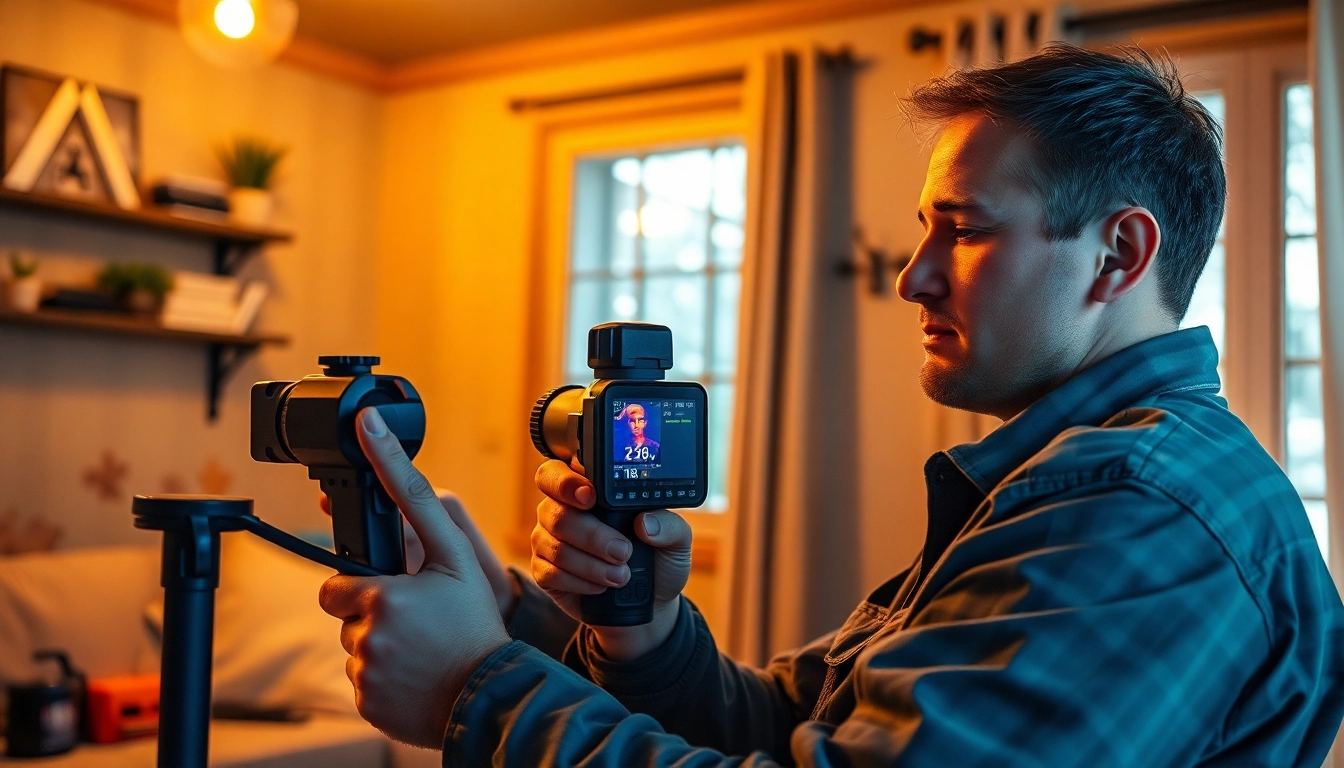
- Thermal Imaging Cameras: These devices detect temperature variations in surfaces, indicating potential leaks.
- Acoustic Listening Devices: By identifying the sound of water escaping, these instruments can locate leaks even if they are underground or hidden behind walls.
- Moisture Meters: Used to measure moisture levels in materials, helping to pinpoint areas of concern.
- Tracer Gas Detection: This method uses a safe gas that can be traced back to the source of the leak, particularly useful for pinpointing very small or inaccessible leaks.
Advantages of Non-Invasive Leak Detection Methods
Non-invasive methods prevent property damage while providing precise results. The benefits include:
- Minimal Disruption: Homeowners can stay in their homes while leak detection occurs without tearing up walls or flooring.
- Speed: Advanced technologies can quickly identify problem areas, leading to timely repairs.
- Detailed Reporting: Many modern leak detection services provide comprehensive reports, including images and recommendations for repairs.
How Technology Improves Accuracy and Speed
Technological advancements greatly enhance the effectiveness of leak detection. With precision instruments and methods, technicians can effectively isolate and identify leaks, drastically reducing the time required to find them. This speed not only improves customer satisfaction but also minimizes the potential damage caused by leaks.
Identifying Signs of a Leak in Your Home
Homeowners should be vigilant for signs of leaks to mitigate damage and repair costs. Early detection can significantly reduce the financial and structural impact of leaks.
Key Indicators to Watch Out For
Knowing the warning signs of leaks can facilitate faster interventions. Look for these indicators:
- Water Stains: Dark spots on walls or ceilings can indicate leaks.
- Musty Odors: A damp smell often indicates mold growth due to hidden leaks.
- Increased Water Bills: Unexpected spikes in water bills may point to leaks.
- Sound of Running Water: Unexplained sounds could indicate leaks in pipes.
How to Conduct a Basic Leak Assessment
Homeowners can conduct preliminary assessments to identify potential leaks. Here are some steps to consider:
- Turn off all fixtures and appliances that use water.
- Check your water meter and note the reading.
- Wait for a few hours without using water.
- Check the meter again; if the reading has changed, you likely have a leak.
Using Water Bills to Detect Hidden Leaks
Monitoring your water bills is an effective way to detect hidden leaks. A consistent increase in your bill without a corresponding increase in usage indicates a possible leak in your plumbing system. Keeping track of your monthly water usage can help you spot irregularities early.
Professional Leak Detection Services: What to Expect
When faced with a suspected leak, hiring a professional leak detection service can provide peace of mind. But what should homeowners expect from a professional visit?
Choosing the Right Leak Detection Company
Not all leak detection companies are created equal. Here are key factors to consider:
- Experience: Look for a company with a proven track record and expertise in leak detection.
- Technology: Ensure they utilize advanced, non-invasive technologies for accurate results.
- Guarantees: Choose a company that offers guarantees on their work, providing you with added assurance.
What Happens During a Leak Detection Visit?
During a typical leak detection visit, technicians will conduct an assessment using various methods and tools. They will:
- Inspect accessible pipelines and fixtures for visible leaks.
- Utilize leak detection technology, such as moisture meters and acoustic devices.
- Provide a detailed report of their findings, outlining the cause, location, and recommended repairs.
Understanding Your Detailed Leak Detection Report
Once the leak detection process is complete, you will receive a comprehensive report. This document typically includes:
- Photographs showing leak locations.
- Descriptions of the issues found.
- Recommended corrective actions and estimated repair costs.
Proactive Measures to Prevent Future Leaks
Preventing leaks before they occur requires regular maintenance and vigilance. Here are some practical steps homeowners can take:
Regular Maintenance Tips for Homeowners
To minimize the risk of leaks, implement these routine maintenance practices:
- Inspect Plumbing: Regularly check visible pipes and fixtures for signs of wear or corrosion.
- Flush Water Heaters: Sediment buildup can lead to leaks; flushing your water heater annually can help prevent this.
- Seal Cracks: Inspect the foundation and exterior of your home regularly and seal any cracks to prevent water ingress.
Investing in Smart Home Technology for Leak Detection
Smart home devices can provide another layer of safety by alerting homeowners to potential leaks before they escalate. Some devices to consider include:
- Smart Water Leak Detectors: These devices alert homeowners via smartphone when they detect moisture.
- Smart Shut-off Valves: Can automatically turn off the water supply when a leak is detected, preventing further damage.
Future Trends in Leak Detection and Home Safety
The field of leak detection is evolving. Future innovations may include:
- AI and Machine Learning: These technologies may improve prediction models for preventing leaks.
- Enhanced Monitoring Systems: Comprehensive systems that integrate various sensors could provide real-time monitoring for leaks.
- Sustainable Practices: As awareness of environmental issues grows, leak detection systems may incorporate more eco-friendly technologies.