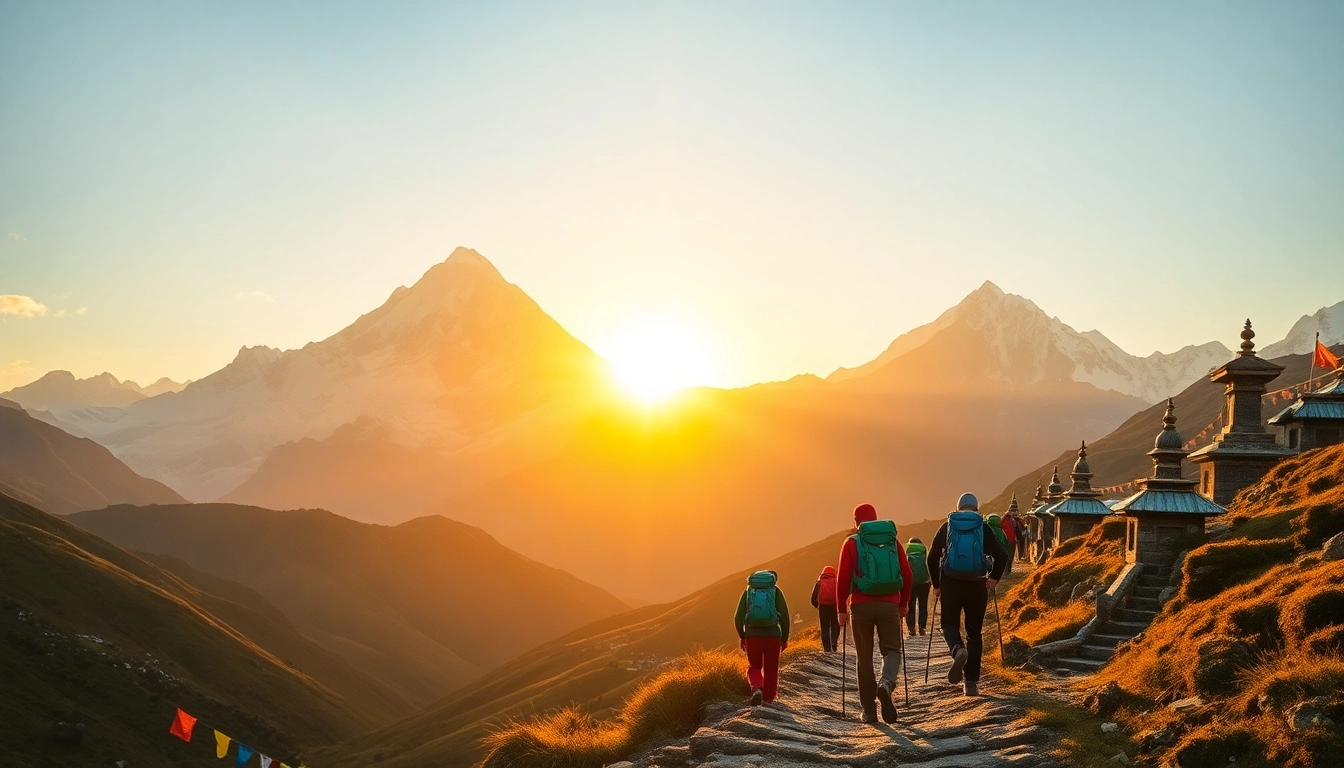
Overview of the Mount Everest Base Camp Trek
The Mount Everest Base Camp Trek (EBC Trek) is one of the most iconic hiking adventures in the world, offering trekkers the opportunity to experience stunning vistas, diverse landscapes, and rich Sherpa culture. Spanning 14 days, this trek takes you through the heart of the Khumbu region, culminating in breathtaking views of the world’s highest peak, Mount Everest. The journey is not just about the destination; it’s also about the incredible experiences along the way, from the lush forests to the high-altitude plains, and the vibrant local villages that echo with tales of climbers and Sherpas alike. Whether you’re a seasoned trekker or a first-time hiker, the mount Everest base camp trek caters to all levels of adventure seekers.
What to Expect from the Journey
Trekking to Everest Base Camp promises an unforgettable journey filled with scenic beauty and unique cultural experiences. Expect to walk between 5 to 8 hours daily, covering diverse terrain that ranges from lush valleys to rugged mountains. The trek includes several acclimatization days, crucial for allowing your body to adjust to the high altitude, minimizing the risks of altitude sickness. With each step, you'll be surrounded by magnificent Himalayan peaks, including Lhotse, Nuptse, and the majestic Mount Everest itself.
Key Highlights of the EBC Trek
- Stunning Views: Panoramic vistas of towering peaks and glaciers.
- Sherpa Culture: Experience the rich traditions and warm hospitality of the Sherpa people.
- Tengboche Monastery: Visit one of the most important monasteries in the Khumbu region.
- Kala Patthar: Hike to the stunning viewpoint for the best sunrise views over Mount Everest.
Why Choose Ace the Himalaya
Ace the Himalaya stands out for its commitment to providing an exceptional trekking experience. With experienced guides, comfortable accommodation, and a focus on sustainable tourism, trekkers are assured of quality service and safety. Moreover, Ace the Himalaya emphasizes a personalized approach, allowing trekkers to tailor their experiences to match their adventure preferences.
Understanding Itinerary and Acclimatization
Day-by-Day Breakdown of the Trek
The typical itinerary for the Everest Base Camp Trek spans over 14 days, carefully structured to provide both adventure and sufficient acclimatization. Each day is designed to gradually increase in elevation, helping trekkers adapt better to the altitude.
- Day 1: Arrival in Kathmandu.
- Day 2: Fly from Kathmandu to Lukla, then trek to Phakding.
- Day 3: Trek from Phakding to Namche Bazaar.
- Day 4: Acclimatization day in Namche, hike to Hotel Everest View.
- Day 5: Trek from Namche to Tengboche.
- Day 6: Trek to Dingboche.
- Day 7: Acclimatization day, hike to Nangkartsang Peak.
- Day 8: Trek to Lobuche.
- Day 9: Trek to Everest Base Camp, then return to Gorak Shep.
- Day 10: Early morning hike to Kala Patthar and descend to Pheriche.
- Day 11: Trek back to Namche Bazaar.
- Day 12: Trek to Lukla.
- Day 13: Fly back to Kathmandu.
- Day 14: Final departure from Kathmandu.
Importance of Acclimatization and Rest Days
Acclimatization is a critical component of the EBC Trek. Proper rest days, especially in Namche and Dingboche, allow your body to adapt to the decreased oxygen levels at higher altitudes, significantly reducing the risk of altitude sickness. On these days, trekkers can also explore the surroundings, enjoying remarkable views and cultural experiences.
Variations in Itineraries for 2025
For trekkers heading out in 2025, various itinerary options are available, including shorter or longer treks depending on personal preferences and physical conditions. Customizable options are also provided by Ace the Himalaya, accommodating diverse trekking styles and ensuring a personal touch to the journey.
Essential Packing List for EBC Trek
Clothing and Gear Requirements
Packing properly is essential for a successful Everest Base Camp trek. The weather can be unpredictable, necessitating a range of clothing to accommodate varying temperatures and conditions. Key items to pack include:
- Layered clothing: Base layers, insulation layers, and waterproof outer layers.
- Comfortable trekking boots with ankle support.
- Warm hats, gloves, and a buff or scarf.
- Sleeping bag rated for cold temperatures.
- Daypack for daily essentials.
First Aid Kits and Health Essentials
A well-stocked first aid kit is crucial for any trekking adventure. Ensure your kit includes medications for altitude sickness, pain relievers, adhesive bandages, antiseptic wipes, and any personal prescriptions. Additionally, consider carrying altitude sickness tablets and ensure your travel insurance covers high-altitude emergencies.
Tips for Packing Light yet Efficiently
While it’s important to pack all necessary items, minimizing weight is also a priority on the trek. Use compression bags, pack multi-use items, and prioritize lightweight gear to maintain flexibility and comfort throughout your journey.
Cost and Budgeting for the Mount Everest Base Camp Trek
Understanding the Cost Breakdown for 2025
The overall cost for the Everest Base Camp Trek varies based on several factors, including the chosen trekking operator, included services, and the time of year. Typically, prices range from $1,000 to $3,500 per person. Key components that influence cost include:
- Permits (TIMS and National Park)
- Transportation (flights to/from Lukla)
- Accommodation and meals
- Guide and porter fees
Daily Expenses during the Trek
In addition to the initial cost, trekkers should budget for daily expenses, which typically range from $10 to $30 per day. This includes meals, snacks, and incidental costs such as hot showers, charging electronics, or tipping staff.
Payment Options and Travel Insurance Information
Most trekking companies, including Ace the Himalaya, accept a deposit to secure your spot. The remaining balance can usually be paid in cash or credit card upon arrival in Kathmandu. It's essential to have travel insurance that covers trekking in high-altitude areas, including emergency evacuations.
Frequently Asked Questions about the EBC Trek
Who Can Undertake the Trek?
The Everest Base Camp Trek is suitable for individuals in good physical health and with a sense of adventure. While no prior trekking experience is necessary, participants should engage in physical training and preparation to enhance their trekking experience.
What Are the Safety Measures in Place?
Safety is a priority for trekking operators. All guides are trained in first aid and carry essential safety equipment. Additionally, trek itineraries are structured to allow for acclimatization to prevent altitude sickness.
How to Prepare for Altitude Challenges
Preparing for altitude challenges involves gradual acclimatization, maintaining hydration, and understanding the symptoms of altitude sickness. Trekkers should be aware of their bodies and consult guides regarding any potential altitude-related issues.